The Impact of a U.S. TikTok Ban on Global Advertising Strategies
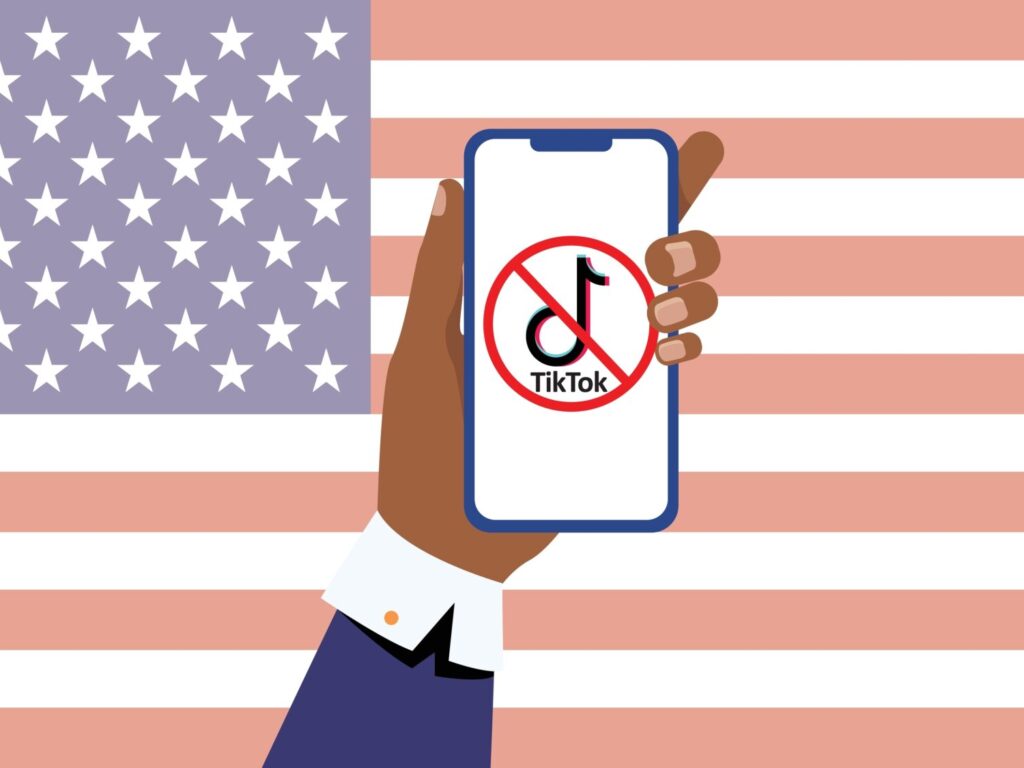
The potential ban of TikTok in the United States has been a hot topic in recent years, with implications stretching far beyond individual users. For businesses, particularly those involved in digital marketing and advertising, such a move could significantly disrupt established strategies and force a revaluation of how to reach key audiences. From the perspective of UK-based companies, such a development would have both direct and indirect effects on global advertising strategies. Let’s explore how this scenario might reshape the landscape and what businesses in the UK can do to adapt.
TikTok’s Role in Advertising Today
TikTok has emerged as a powerhouse in the digital advertising landscape, boasting over 1 billion monthly active users worldwide. Its unique algorithm, which prioritizes engaging and personalized content, has made it a favourite for brands targeting younger demographics like Gen Z and Millennials. TikTok’s ad formats, such as In-Feed Ads, Branded Hashtag Challenges, and Branded Effects, have provided innovative ways for businesses to engage users.
For many UK advertisers, TikTok is not just a platform; it’s a cultural phenomenon. Campaigns often go viral, driving brand awareness and fostering community engagement. A U.S. ban, however, could sever access to a significant portion of its global user base and disrupt these dynamics.
Immediate Impacts of a Ban
- Loss of Global Audience Access: For UK companies with a global reach, particularly those targeting U.S. audiences, the ban would eliminate a direct channel to millions of active users in one of the world’s largest advertising markets. This could impact international campaigns and revenue streams.
- Reallocation of Ad Budgets: UK advertisers may need to shift their budgets to alternative platforms such as Instagram Reels, YouTube Shorts, or Snapchat Spotlight. While these platforms offer similar short-form video formats, their engagement dynamics differ, requiring a fresh approach to content creation.
- Impact on Influencers: TikTok influencers, especially those with significant U.S.-based followings, would need to pivot to other platforms. Brands collaborating with these influencers might face challenges in replicating the same level of engagement elsewhere.
- Global Ripple Effects: TikTok’s advertising ecosystem is global. A U.S. ban could reduce its overall appeal, affecting its attractiveness to advertisers in other regions, including the UK. Conversely, it might lead to intensified efforts to strengthen TikTok’s presence in European markets.
Adapting Advertising Strategies in the UK
- Diversify Platform Investments: UK businesses should adopt a multi-platform strategy to reduce dependency on any single channel. Platforms like Instagram, YouTube, and Pinterest can serve as viable alternatives for video-driven campaigns.
- Explore Emerging Platforms: As TikTok’s fate hangs in the balance, newer platforms might emerge to fill the void. Staying attuned to these developments can help UK brands maintain a competitive edge.
- Leverage Owned Media: Investing in owned media channels, such as a brand’s website, email marketing, and apps, can provide a stable foundation regardless of external platform changes.
- Strengthen Data-Driven Strategies: Without TikTok’s granular targeting capabilities, UK advertisers will need to rely more heavily on first-party data and advanced analytics to understand and reach their audiences effectively.
Opportunities for UK Businesses Amid Disruption
While a U.S. TikTok ban poses challenges, it also opens doors for innovation. UK advertisers might explore:
- Enhanced Creativity: Testing new ad formats and storytelling techniques on other platforms.
- Localized Campaigns: Shifting focus to European or regional strategies to compensate for the loss of a U.S. audience.
- Community Building: Doubling down on platforms where deeper community engagement is possible.
The potential ban of TikTok in the U.S. underscores the volatile nature of the digital advertising landscape. For UK businesses, adaptability is key. By diversifying platform investments, embracing emerging technologies, and focusing on data-driven strategies, advertisers can mitigate the risks of platform dependency and continue to thrive in a rapidly changing environment. While the future of TikTok in the U.S. remains uncertain, proactive planning will ensure that UK brands remain resilient and ready to seize new opportunities.