
SEO Strategies That Actually Drive Organic Growth
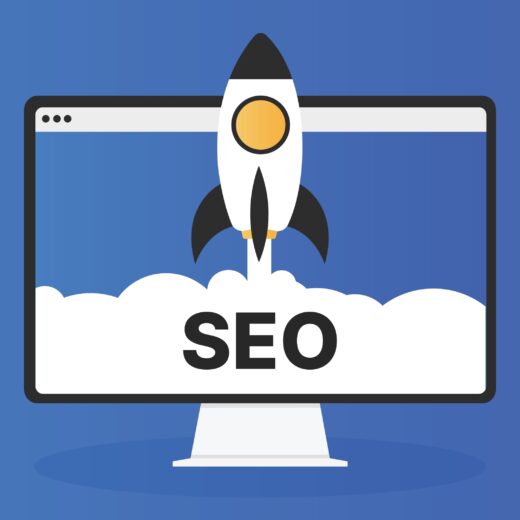

SEO in 2026 looks very different from what it did even a few years ago. Algorithm updates are faster, AI-generated content is everywhere, and search engines are more sophisticated than ever. Yet despite all the change, one thing remains constant: sustainable organic growth comes from strategy, not shortcuts.
Here’s what’s actually working in 2026 — and what businesses need to prioritise if they want to compete.
Search Intent Is the Starting Point
Keywords alone are no longer enough. In 2026, successful SEO strategies begin with understanding intent at a granular level. Is the user researching? Comparing? Ready to buy?
Google’s AI-driven results now cluster content by intent, meaning your pages must align precisely with what users are trying to achieve. Instead of creating multiple thin pages targeting similar terms, brands are building comprehensive, structured resources that fully answer a query.
Search engines are rewarding clarity, depth and usefulness over volume.
Topical Authority Beats Isolated Pages
Publishing random blog posts around trending phrases is no longer effective. Instead, search engines are prioritising topical authority.
This means building strong content hubs — pillar pages supported by well-structured internal linking. When your site demonstrates consistent expertise around a subject, search engines are far more likely to rank you competitively.
Strategic internal linking is crucial here. It helps search engines understand relationships between pages while improving user navigation and engagement.
In 2026, SEO is less about individual keywords and more about owning a topic.
EEAT Is Non-Negotiable
Experience, Expertise, Authoritativeness and Trust (EEAT) continue to shape rankings. With AI content flooding the web, search engines are placing greater emphasis on credibility signals.
This includes:
-
Clear author attribution
-
Demonstrated industry experience
-
High-quality backlinks from relevant sites
-
Transparent business information
-
Real case studies and proof points
Brands that showcase real expertise — rather than publishing generic AI-written copy — are outperforming competitors.
Trust is now a ranking factor in everything but name.
Technical SEO Is Now a Performance Strategy
Technical optimisation in 2026 goes beyond fixing broken links. Core Web Vitals, mobile performance and user experience metrics directly influence rankings.
Sites must load quickly, function seamlessly across devices and offer intuitive navigation. With AI search summaries reducing clicks, when users do land on your site, engagement signals matter more than ever.
Clean site architecture, structured data and efficient crawl paths help search engines prioritise your most valuable pages. Technical SEO is no longer a backend exercise — it’s a growth driver.
AI as a Tool, Not a Replacement
AI is embedded in modern SEO workflows, from keyword research to content outlines and competitor analysis. However, brands relying solely on automation are seeing diminishing returns.
The winning formula combines AI efficiency with human insight. AI can accelerate research and surface data patterns, but strategic thinking, brand voice and real-world expertise are what create differentiation.
In 2026, the question is not whether to use AI, but how intelligently you apply it.
Brand Signals Are Stronger Than Ever
Search engines increasingly evaluate brand strength through mentions, reviews, digital PR coverage and user engagement. Strong brands earn more links, attract more clicks and build trust faster.
Organic growth now sits at the intersection of SEO, PR and content marketing. Businesses that invest in reputation building — not just rankings — are seeing more stable, long-term results.
SEO in 2026 rewards businesses that think holistically. It’s about strategy, structure and substance. Those who focus on intent, authority, technical performance and genuine expertise will continue to grow — regardless of algorithm updates.
Short-term tactics fade. Smart strategy scales.