
5 Tips for Increasing Website Engagement
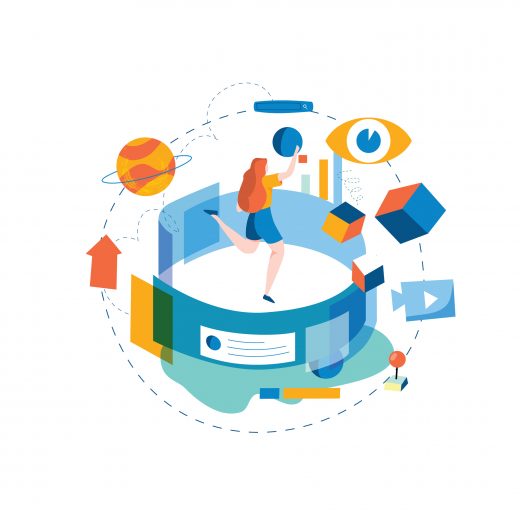

In an ideal world, our target customers would easily find us on a Search Engine Results Page (SERP), spend plenty of time browsing our websites and eventually convert. Unfortunately, it doesn’t always go that way and our bounce rates are higher than we’d hoped for, or time spent on our sites is too low. It’s important to consider why this might be.
Is your website designed with ease of use in mind? Is the font easy to read? Can the user navigate from page to page without getting lost or confused? Does it work well across all devices? If the answer is no to any of these questions, then it might be time to update your web design, with user friendliness at the forefront of your mind. There are a few things you can do, if you haven’t already, that can help persuade users to engage more and view more than one page. Here are five top tips to get you started…
- Reduce Page Load Times
Your site should load at lightning speed across all devices. If users have to wait too long for a page to load, they are likely to get frustrated and leave. You can use Google’s PageSpeed Insights tool to determine whether or not your site is loading quickly enough and what you can do if it isn’t. If there’s room for a speed improvement, don’t ignore it.
- Simplify Your Navigation
Your navigation should be intuitive and follow a realistic journey, but you shouldn’t have two many pages in the menu because this will just be overwhelming. When designing a website menu, we typically recommend around eight pages on the top level. Websites that are difficult to navigate tend to have a higher bounce rate because users don’t want to have to exert too much effort to find a particular page.
- Ensure Your Site is Legible
It’s wise to have a font size of around 16px with a 1.45 em line height. There should also be a decent enough contrast between your background colour and font colour, to ensure it’s bold enough to read; you don’t want your content to get lost in the background.
- Add Internal Links
Internal links are not only great for your SEO rankings, but they also improve navigation around the site. As a result, you should be able to reduce your bounce rate and encourage more page views per user. The links should be relevant and have descriptive anchor text.
- Use Videos & Images
Research has found that average time spent on pages containing a video is higher than pages without and they are becoming increasingly more popular on landing pages. They’re an easy way to help users understand your products/services and get to know the voice behind the brand. Images and videos also break up large chunks of texts and add further value to your content.
There are lots of other options when it comes to improving user experience on your website, and therefore increase your engagement rate. Perhaps you could add a chat box or a search function to make it easier for users to find what they’re looking for. Including a ‘Related Content’ section on your blog will also encourage users to stay on your site and continue to seek out the information they’re looking for. The above suggestions should certainly set you on the right track, but it would be worth speaking to a professional for some further web support. If you’d like some help with anything website related, don’t hesitate to contact us.