What Goes Into A Technical SEO Audit?
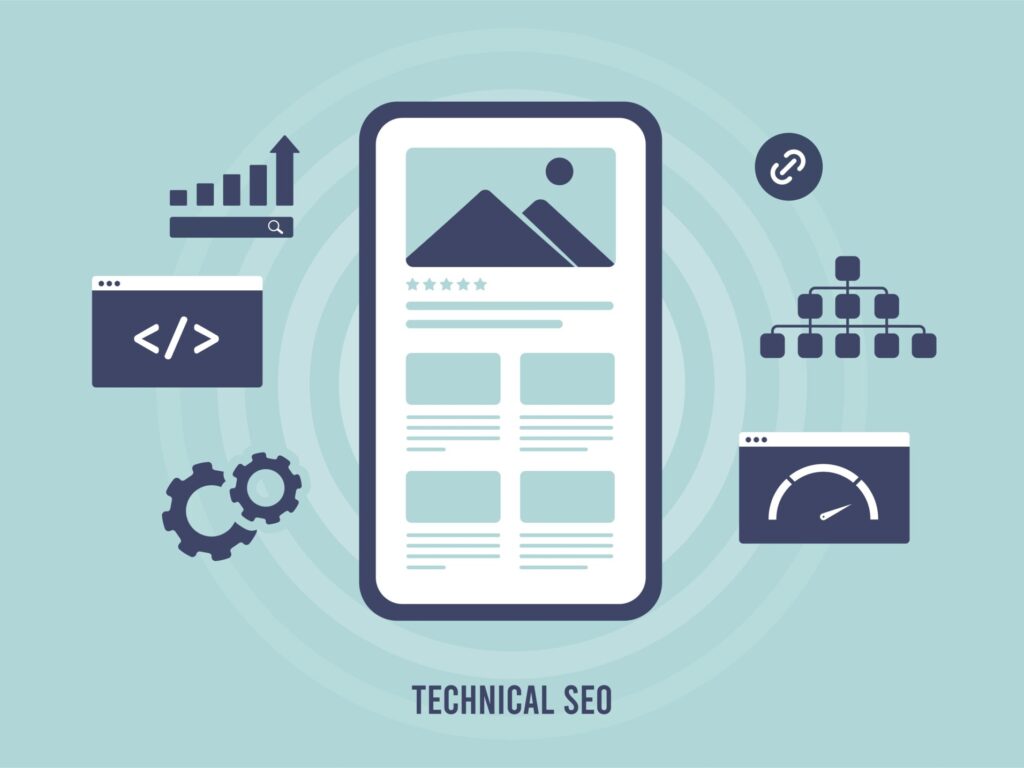
A technical SEO audit is an in-depth examination of a website’s infrastructure to ensure that it meets search engine guidelines for optimal performance, indexing, and ranking.
At Innermedia we run these for our clients so that we can continually check on performance and keep their performance in the backend of the website running in tip top shape.
Unlike on-page SEO, which focuses on content and keywords, technical SEO deals with elements like website speed, crawlability, and mobile-friendliness.
Interested in getting an audit conducted by our team to see how your site is performing? Get in touch with us today to see how we can help!
Here’s a breakdown of the key components of a technical SEO audit:
Crawlability & Indexability
Search engines need to crawl and index your website efficiently. Here’s what to check:
- Robots.txt: Ensure that important pages aren’t accidentally blocked.
- XML Sitemap: A well-structured sitemap helps search engines discover your pages.
- Canonical Tags: Prevent duplicate content issues by specifying the preferred URL for a page.
- Noindex & Nofollow Directives: Ensure critical pages aren’t mistakenly set to noindex.
Site Speed & Performance
Page speed impacts user experience and rankings. Otherwise referred to as Core Web Vitals, tools like Google PageSpeed Insights and GTmetrix can help analyse:
- Largest Contentful Paint (LCP): Measures load speed.
- Cumulative Layout Shift (CLS): Ensures elements don’t shift unexpectedly.
- Time to First Byte (TTFB): Checks server response time.
- Optimise Images & Minify Code: Compress images and clean up CSS/JavaScript to reduce load times.
Mobile-Friendliness & Core Web Vitals
Google prioritises mobile-first indexing, so your website must be mobile-friendly.
- Use responsive design to ensure compatibility across devices.
- Avoid intrusive pop-ups that disrupt user experience.
- Check Google’s Mobile-Friendly Test for issues.
Technical Site Structure
A well-structured website improves navigation and search engine understanding. Key factors include:
- Internal Linking: Helps distribute authority and guide crawlers.
- Breadcrumb Navigation: Enhances usability and SEO.
- URL Structure: Keep URLs short, descriptive, and keyword-rich.
HTTPS & Security
Security is a ranking factor. Check:
- SSL Certificate: Ensure your site runs on HTTPS.
- Secure Forms & Data Handling: Protect user information.
- Fix Broken Links: Remove or redirect dead links to avoid a poor user experience.
Structured Data & Schema Markup
Adding structured data (i.e. using Schema.org) helps search engines understand your content better. This can enhance search result appearances with rich snippets, such as:
- Product details
- Reviews & ratings
- FAQ sections
Use Google’s Structured Data Testing Tool to validate markup.
Duplicate Content & Canonicalisation
Duplicate content can dilute rankings. To fix this:
- Use canonical tags to indicate the preferred version of a page.
- Implement 301 redirects for redundant or outdated pages.
- Check for URL variations (e.g., HTTP vs. HTTPS, trailing slashes).
Log File Analysis
Reviewing server log files helps understand:
- How search engine bots crawl your site.
- Frequency of visits to key pages.
- Crawl errors or unnecessary bot activity.
Technical SEO Tools for Auditing
Several tools can help perform a technical SEO audit:
- Google Search Console – Monitors indexing, mobile usability, and performance.
- Screaming Frog – Crawls websites for SEO issues.
- Google PageSpeed Insights – Analyses website speed and performance.
- Ahrefs & SEMrush – Identifies technical and backlink-related issues.
Regular audits help identify and fix issues before they impact rankings and traffic, but a technical SEO audit is essential for ensuring your website is optimised for search engines and users. By addressing crawlability, speed, security, and structured data, you set your website up for long-term SEO success.