SEO vs. PPC: Which Strategy Delivers the Best ROI?
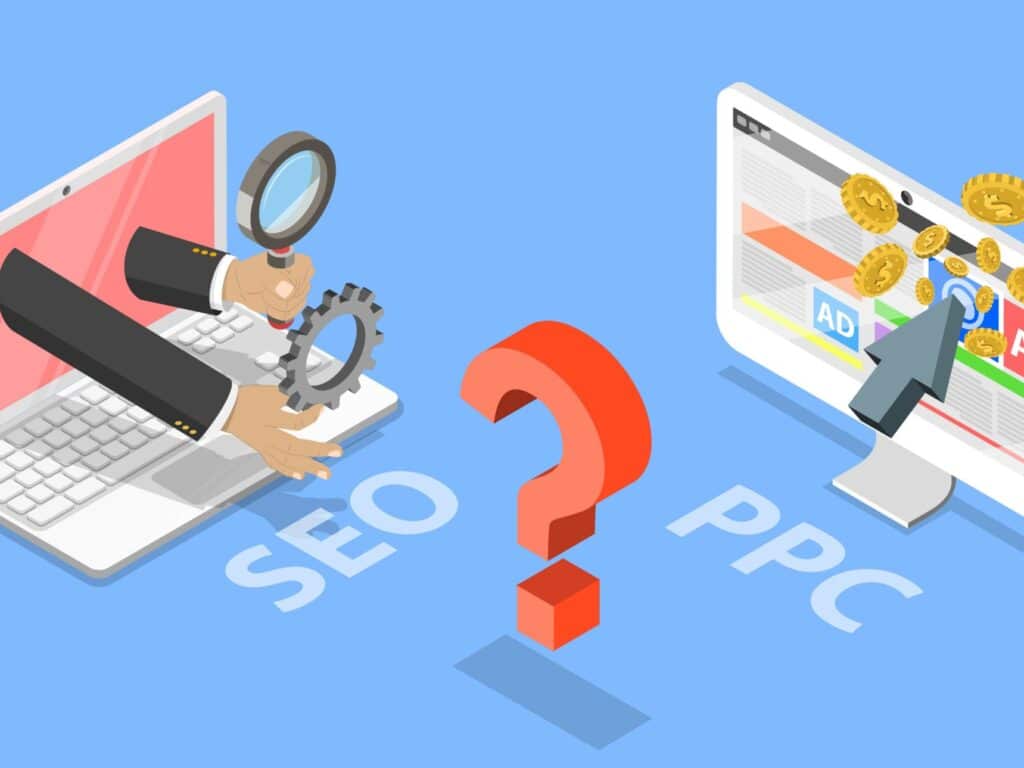
When it comes to digital marketing, businesses often debate whether to invest in Search Engine Optimisation (SEO) or Pay-Per-Click (PPC) advertising. Both strategies have their advantages, but which one delivers the best return on investment (ROI)? The answer depends on factors like budget, business goals, and competition. In this blog, we’ll compare SEO and PPC across different aspects to help you determine the best approach for your business.
Understanding SEO: Long-Term Growth and Organic Visibility
SEO is the process of optimising your website to rank higher in organic search results. It involves keyword research, high-quality content creation, technical improvements, and link building.
Pros of SEO
- Cost-Effective in the Long Run – Unlike PPC, where you pay for every click, SEO can generate free traffic once your website ranks well.
- Sustainable Results – A well-optimised website can maintain rankings for months or even years with ongoing maintenance.
- Builds Trust and Credibility – Users often trust organic search results more than paid ads.
Cons of SEO
- Takes Time – SEO is a long-term strategy and may take months to show results.
- Requires Continuous Effort – Google frequently updates its algorithms, so ongoing optimisation is necessary.
- Competitive Markets Are Challenging – In highly competitive industries, ranking for top keywords can be difficult and time-consuming.
Understanding PPC: Instant Traffic and Measurable Results
PPC advertising, such as Google Ads, allows businesses to bid on keywords and display ads in search results. You pay a fee every time someone clicks on your ad.
Pros of PPC
- Immediate Results – Unlike SEO, which takes time, PPC ads appear instantly after setup.
- Highly Targeted – PPC allows precise targeting based on demographics, location, and user behavior.
- Scalable and Measurable – You can control your budget, test different ads, and track performance in real time.
Cons of PPC
- Expensive in Competitive Industries – If you’re in a high-cost industry (e.g., legal or finance), CPC (Cost Per Click) can be very high.
- Traffic Stops When You Stop Paying – Unlike SEO, which builds long-term traffic, PPC stops driving visitors as soon as you pause your campaign.
- Ad Fatigue – Users may become blind to ads, reducing their effectiveness over time.
Comparing ROI: SEO vs. PPC
The return on investment depends on multiple factors, such as industry, budget, and marketing goals.
- SEO ROI: SEO generally delivers higher ROI in the long term. Once your website ranks well, the cost per acquisition (CPA) decreases significantly. Businesses that consistently invest in SEO tend to see growing returns over time.
- PPC ROI: PPC can deliver a strong ROI, especially for short-term campaigns or promotions. However, costs can add up quickly, and once you stop spending, the traffic stops too.
Which Strategy Should You Choose?
- For Long-Term Growth: SEO is the best investment if you want sustainable traffic and brand authority.
- For Immediate Results: PPC is ideal if you need quick visibility, such as launching a new product or running a seasonal sale.
- For Maximum ROI: A combination of both SEO and PPC often works best. PPC can drive instant traffic while your SEO efforts build long-term rankings.
Both strategies have their place in digital marketing. The key is to align your approach with your business objectives and budget to achieve the best possible ROI.