

Mid-Tier Rankings Are Just As Important. Here’s Why
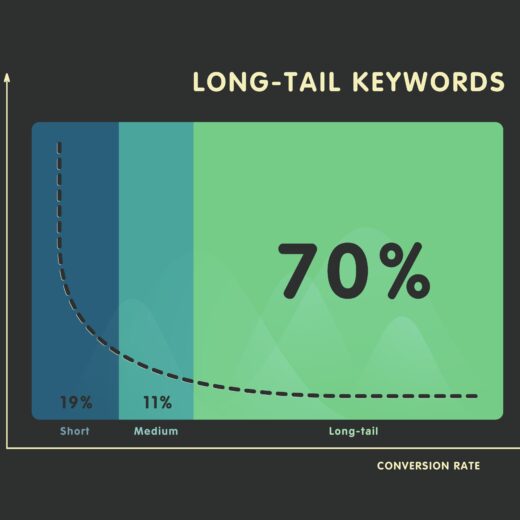

Many businesses focus their efforts on high-volume, short-tail keywords—terms like “shoes,” “marketing agency,” or “coffee shop.” While these phrases attract large amounts of traffic, they’re also extremely competitive. The smarter, more sustainable strategy often lies in targeting long-tail keywords.
The Overlooked SEO Sweet Spot
When most businesses think about SEO, they tend to aim for two extremes — either broad, high-volume “short-tail” keywords or ultra-specific “long-tail” ones. But there’s a valuable middle ground that often gets ignored: mid-tier keywords.
These are the phrases that sit between the two extremes — moderately competitive, decently searched, and full of untapped potential. Understanding how to identify and rank for them can transform your organic growth strategy.
What Are Mid-Tier Keywords?
Mid-tier keywords are search phrases with moderate competition and moderate to high search volume. They’re not as generic as “shoes,” but not as niche as “best running shoes for women with flat feet.”
Instead, they might look like:
-
“best running shoes for women”
-
“digital marketing services”
-
“cold brew coffee recipe”
These keywords strike a balance between traffic potential and ranking difficulty — making them a realistic and rewarding target for growing brands.
Why Mid-Tier Keywords Matter
1. A Strategic Stepping Stone
Ranking for mid-tier keywords helps bridge the gap between long-tail and short-tail strategies. Once your site starts performing well for these moderately competitive terms, it builds authority and credibility in your niche — paving the way to eventually rank for those coveted high-volume keywords.
2. Sustainable Organic Growth
Chasing only low-competition, low-volume long-tail keywords can limit your growth ceiling. Meanwhile, focusing exclusively on ultra-competitive terms can burn through resources without much reward. Mid-tier keywords hit the sweet spot: realistic to rank for, yet capable of driving meaningful traffic.
3. Quality Traffic With Broader Reach
Mid-tier terms often attract a mix of informational and commercial intent. That means you’ll capture users at different stages of the buyer journey — from those still researching to those ready to purchase. This blend makes your content strategy more holistic and effective.
4. Data-Driven Refinement
Ranking for mid-tier keywords provides valuable performance data — insights into how users interact with your content, click-through rates, and conversion potential. You can use this data to refine your SEO strategy, identify content gaps, and uncover new keyword opportunities.
How to Find Mid-Tier Keywords
-
Use Keyword Tools Strategically
Tools like Ahrefs, SEMrush, or Ubersuggest can help you filter by keyword difficulty (KD) and search volume. -
Analyse Your Current Rankings
Check which keywords you already rank for on pages 2–3 of Google. These are prime candidates for mid-tier optimization — a little content improvement and link-building can push them into the top 10. -
Look at Competitor Gaps
Identify competitors ranking for mid-tier terms that you’re not targeting. Tools like SEMrush’s “Keyword Gap” report can make this easy. -
Build Topical Clusters
Create content hubs that interlink related articles. This strengthens your site’s topical authority and boosts your chances of ranking for both mid-tier and long-tail keywords.
Why Long-Tail Keywords Matter
1. Lower Competition
Short-tail keywords are dominated by big brands and authoritative websites. Ranking for them can take years of effort and significant investment. Long-tail keywords, on the other hand, are less competitive, making it easier for smaller businesses and newer websites to gain visibility and organic traffic.
2. Higher Conversion Rates
Long-tail searches reveal intent. Someone searching “shoes” might just be browsing, while someone searching “best waterproof hiking boots for women” knows what they want and is closer to buying. This means that traffic from long-tail keywords often converts at a much higher rate.
3. Improved Content Relevance
Optimizing for long-tail keywords encourages you to create highly specific, helpful content. This not only improves SEO performance but also enhances user experience. Google rewards relevance and depth—two things naturally achieved when targeting detailed keyword phrases.
4. Voice Search Optimisation
With the rise of voice assistants like Siri, Alexa, and Google Assistant, long-tail keywords have become even more critical. Voice searches are conversational and often mirror natural language—precisely the kind of phrasing found in long-tail queries.
5. Cumulative Traffic Growth
Individually, long-tail keywords may not generate huge traffic, but collectively, they can drive substantial organic growth. A well-optimized content strategy that targets dozens—or hundreds—of these keywords can add up to significant, sustainable traffic over time.
Final Thoughts
Ranking for long-tail keywords isn’t just about chasing low-hanging fruit—it’s about building a foundation of qualified traffic, authority, and user trust. In today’s SEO landscape, where relevance and intent matter more than ever, targeting the long tail can be your biggest competitive advantage.